 English
 русский
 Español
 عربى

Content
- 1 What Is Outdoor Composite Facade Cladding?
- 2 Main Types of Composite Cladding for Exterior Walls
- 3 Composite Cladding vs. Other Facade Materials
- 4 How to Choose the Right Composite Exterior Wall Cladding
- 5 Step-by-Step Installation Guide for Composite Facade Cladding
- 6 Common Mistakes That Shorten the Life of Composite Cladding
- 7 How to Maintain Composite Facade Cladding
- 8 What Affects the Cost of Outdoor Composite Cladding?
- 9 Is Composite Facade Cladding Right for Your Project?
Outdoor composite facade cladding has become one of the most popular ways to give a building a warm, wood-like exterior without the yearly sanding, staining and sealing. Whether you are renovating a family home, finishing a new villa, or specifying materials for a commercial project, the right composite exterior wall cladding can cut maintenance costs and keep its good looks for 20 years or more. This guide explains what the material is, how to choose it, how to install it, and what mistakes to avoid.
What Is Outdoor Composite Facade Cladding?
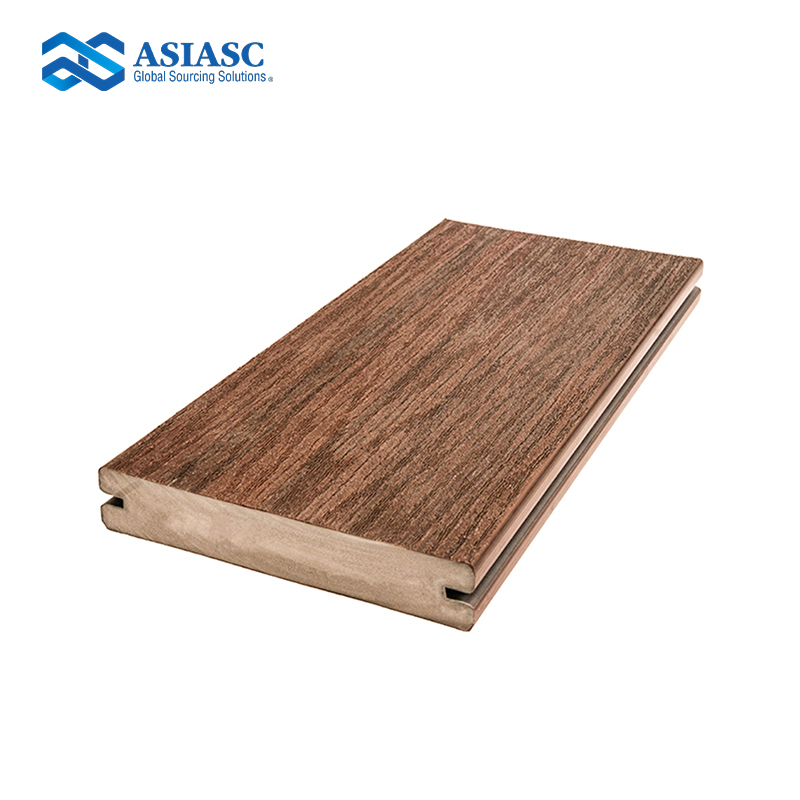
Outdoor composite facade cladding is made by combining wood fiber or bamboo flour with thermoplastics such as polyethylene (PE), polypropylene (PP) or PVC, plus additives like UV stabilizers, pigments and lubricants. The mixture is extruded into boards or panels with grooves, hollow chambers or solid profiles. You will also see it sold as WPC facade cladding, wood plastic composite cladding, composite wall panels outdoor, or composite siding.
The result is a board that looks like timber but behaves more like a stable engineered product. It does not rot, it resists termites and fungal decay, and it will not splinter. Because the color is part of the material or the outer protective layer, you never need to repaint it.
Main Types of Composite Cladding for Exterior Walls
Co-extruded (capped) composite cladding
This is the best choice for most outdoor facades. A protective polymer shell is bonded around the composite core, which improves resistance to fading, stains and moisture. If you live in a region with strong sun or heavy rain, capped boards are worth the extra cost.
Uncapped composite cladding
Uncapped boards are cheaper and have a more natural, matte look, but they can fade faster and absorb more moisture. They suit sheltered walls, fences or budget-focused projects.
Hollow vs. solid profiles
Hollow boards are lighter and more economical, which helps on tall walls where weight matters. Solid boards are stronger, hold fasteners better and feel more premium, but they cost more and weigh more per square meter.
Common profile styles
- Shiplap or tongue-and-groove boards for a clean, continuous wall
- Square-edge slatted boards with open gaps for a modern, screen-like look
- Wide-panel systems that imitate large-format siding
- 3D or fluted panels for feature walls and entrances
Composite Cladding vs. Other Facade Materials
Before committing, compare composite with the alternatives. The table below gives a general picture. Exact figures vary by brand, climate and installation quality.
| Material | Maintenance | Typical Lifespan | Natural Look | Upfront Cost |
| Composite cladding | Low (occasional washing) | 20-30 years | Very good | Medium to high |
| Natural wood | High (stain or oil every 1-3 years) | 15-30 years with care | Excellent | Medium to high |
| Fiber cement | Low to medium (repainting) | 25-50 years | Fair | Medium |
| Aluminum cladding | Very low | 30+ years | Fair (wood-grain finishes available) | High |
| Vinyl siding | Low | 15-25 years | Basic | Low |
In short, composite sits in the sweet spot for people who love the look of timber but do not want the upkeep. It is not the cheapest option, and it is not the most fire-resistant, so the choice depends on your priorities and local building rules.
How to Choose the Right Composite Exterior Wall Cladding
Check the fire rating first
Composite boards contain polymers, so fire performance matters, especially on multi-story or commercial buildings. Ask the supplier for test reports under the standard your region uses (for example EN 13501-1 in Europe or ASTM E84 in North America). Some building codes restrict combustible cladding above a certain height or near property boundaries, so confirm requirements with your local authority before ordering.
Look at UV and color stability
All outdoor composite facade cladding fades slightly in the first months and then stabilizes. Good products keep color change small over many years. Ask for accelerated weathering results and a written fade warranty. Darker colors absorb more heat and expand more, so they need extra care in hot climates.
Ask about moisture absorption and density
Low water absorption is a sign of a well-made board. Dense, well-capped products swell less and resist mold better. Be cautious about very cheap boards with a high wood content and no protective cap, because they may stain or warp in wet climates.
Confirm the fixing system
A concealed clip system gives a cleaner look and allows the board to move naturally with temperature changes. Make sure the manufacturer supplies matching clips, starter strips and trims, and that they approve the use of the system on vertical facades, since not every deck board is designed for walls.
Quick buyer checklist
- Capped (co-extruded) surface for better stain and fade resistance
- Third-party fire, slip and weathering test reports
- Written warranty of at least 10 to 25 years, with clear terms on fading and defects
- Matching accessories such as corner trims, end caps and clips
- Samples tested outdoors in real sunlight before you order the full quantity
Step-by-Step Installation Guide for Composite Facade Cladding
Good installation matters as much as the product itself. Most failures, such as buckled boards, uneven gaps and water damage, come from skipped steps rather than bad material. Always follow your manufacturer's manual, but the general process looks like this.
Prepare the wall and the weather barrier
Make sure the wall is dry, flat and structurally sound. Install a breathable weather-resistant membrane and flash windows, doors and other openings properly. Water that gets behind the cladding must be able to drain out.
Build the batten frame
Fix vertical battens to the wall studs or substrate, typically at 300 to 400 mm centers, though your manufacturer's span table should decide the exact spacing. Aluminum or treated battens both work, but aluminum is preferred for long life. For horizontal boards, battens run vertically. For vertical boards, you will need horizontal battens plus counter-battens to keep water flowing downward.
Keep a ventilated cavity
A ventilated gap of roughly 20 to 30 mm behind the boards lets the wall dry out, reduces heat build-up and protects the structure. Add insect mesh at the bottom and top openings so the cavity stays airflow-friendly but pest-proof.
Fix the boards with proper expansion gaps
Composite expands and contracts with temperature, mostly along its length. As a rule of thumb, leave about 5 to 10 mm at board ends, adjusted for the temperature on installation day and the board length. Start from the bottom, use the starter strip, slide each board into its clip, and check level every few rows. Do not screw boards tightly through the face unless the manufacturer specifically says it is allowed.
Finish with trims and details
Corners, window returns, soffits and the top edge are where water usually gets in. Use proper corner profiles, drip edges and end caps so every cut edge is covered and every joint sheds water.
Common Mistakes That Shorten the Life of Composite Cladding
- Fixing boards directly to a flat wall with no ventilated cavity, which traps moisture and heat
- Ignoring expansion gaps, which causes bowing, popped clips and visible waves in summer
- Using wide batten spacing to save money, which leads to sagging and rattling in wind
- Mixing boards from different production batches on one wall, which can create slight color differences
- Leaving cut ends exposed instead of capping or trimming them
- Installing dark colors on sun-baked walls without checking the manufacturer's heat guidance
How to Maintain Composite Facade Cladding
Maintenance is simple. Rinse the wall with a garden hose a couple of times a year to remove dust, pollen and bird droppings. For stubborn dirt, use warm water, a mild detergent and a soft brush, working along the grain. Avoid harsh solvents, abrasive pads and high-pressure washing at close range, since they can scratch the surface or damage the cap layer.
In humid or shaded areas, a light green film of algae may appear. A specialist composite cleaner usually removes it, and trimming nearby vegetation helps airflow and keeps the wall drier. Check clips, trims and sealants once a year, especially after storms, and fix any loose parts promptly.
What Affects the Cost of Outdoor Composite Cladding?
Price per square meter varies widely, so always request quotes that include boards, clips, battens, trims and labor. The main cost factors are:
- Board quality: capped solid boards cost more than uncapped hollow boards
- Design complexity: curves, corners, windows and vertical layouts increase labor and waste
- Substructure choice: aluminum battens cost more than treated timber but last longer
- Building height: scaffolding, lifting and stricter fire requirements add expense
- Shipping and local labor rates, which can differ a lot between regions
Although composite costs more than vinyl siding at the start, it often pays back through lower repainting and re-staining costs. Over a 20-year period, many owners find it cheaper than natural timber once maintenance is counted.
Is Composite Facade Cladding Right for Your Project?
Outdoor composite facade cladding works best when you want a warm timber appearance, low upkeep and good weather resistance, and when your local fire regulations allow it. It is a strong fit for houses, townhouses, low-rise apartments, restaurants and retail frontages. If your building is very tall or must meet strict non-combustible requirements, you may need a different material, or a composite product with a specific tested fire classification.
Request physical samples, ask for test reports and warranty terms, and hire an installer who has worked with composite exterior wall cladding before. With the right product and careful installation, your facade can look sharp and stay trouble-free for decades.