 English
 русский
 Español
 عربى

Content
Active play has a way of turning an ordinary afternoon into something memorable. At Magwizz, we have worked with outdoor toys long enough to see that the best active play toy is not necessarily the largest or the loudest. It is the one that children reach for without being asked, the one that works in a garden, a park, or a modest living room, and the one that survives being packed away and brought out again.
This guide looks at what makes a good active play toy, how to choose by age and space, and which categories tend to earn their place in the toy cupboard. It is written for parents, carers, activity leaders, and buyers who want play value rather than a short burst of novelty.
Why Active Play Toys Matter
Active play is not only about burning energy, although that is a welcome side effect. When children throw, catch, build, balance, chase, and negotiate rules, they practise coordination, spatial awareness, turn-taking, and problem-solving. A well-chosen toy gives those actions a focus. It can also make physical activity feel like play rather than exercise, which is exactly the point.
The keyword here is invitation. A good toy invites movement without demanding a complicated setup. If a parent needs ten minutes to assemble something and a child needs constant direction to use it, the toy will probably stay in the box. The most useful active toys are simple to start, flexible enough to grow with the child, and sturdy enough for repeat use.
What Makes a Great Active Play Toy?
After years of sourcing, testing, and listening to feedback from families and trade partners, we keep coming back to a short list of practical qualities:
- Movement is built in. The toy should naturally lead to reaching, throwing, jumping, crawling, building, or running.
- Open-ended play is possible. Children should be able to invent new games, not just follow one prescribed activity.
- Setup is quick. If it takes longer to prepare than to play, it will rarely come out.
- It suits the space. A garden toy and a living-room toy are not the same thing, even if both are labelled active.
- It is age-appropriate. Small parts, weight, size, and complexity all matter, especially for younger children.
- It can take real use. Outdoor toys need to cope with grass, paving, sunlight, and the occasional less-than-gentle landing.
These qualities matter more than a long feature list. A toy with three well-designed play modes will usually outperform one with ten features that do not quite work.
Active Play Toy Categories at a Glance
Different toys solve different problems. A fort-building kit is brilliant for cooperative, imaginative play, while a flying-disc game is better for quick reaction and outdoor throwing. The table below compares the main categories we see most often in outdoor-active assortments.
| Category | Best for | Space needs | What to check |
|---|---|---|---|
| Fort-building kits | Imaginative play, den making, cooperative building | Medium; works indoors or outdoors | Connector strength, pole count, storage bag, age guidance |
| Flying-disc and hand-trampoline games | Throwing, catching, reaction time, quick outdoor games | Medium to large open space | Soft edges, disc weight, grip, wind resistance |
| Balls and sensory balls | Grip, bounce, catch, solo or group play | Small to medium | Material feel, size, rebound, easy cleaning |
| Movement and balance sets | Coordination, stepping, balancing, obstacle games | Medium; adaptable | Non-slip base, stable pieces, clear layout limits |
The right mix depends on the child and the setting. A family with a small courtyard may get more use from a compact fort kit and a soft ball than from a large ride-on. A school or holiday club, on the other hand, may need several simple items that allow many children to join in.
Building Toys That Turn Any Corner into a Den
Fort-building toys are one of the clearest examples of active play that does not look like exercise. Children crawl, stretch, connect poles, drape fabric, negotiate doorways, and then move the whole structure when the game changes. The play is physical, but it is also social and imaginative.
When choosing a fort kit, look at the connectors first. They are the part that decides whether the set becomes a wobbly frustration or a reliable building system. Check how many poles are included, whether replacement parts are available, and whether the set packs down into something manageable. Glow-in-the-dark versions can add a sense of occasion for evening play, but they still need the same sturdy construction and clear supervision.
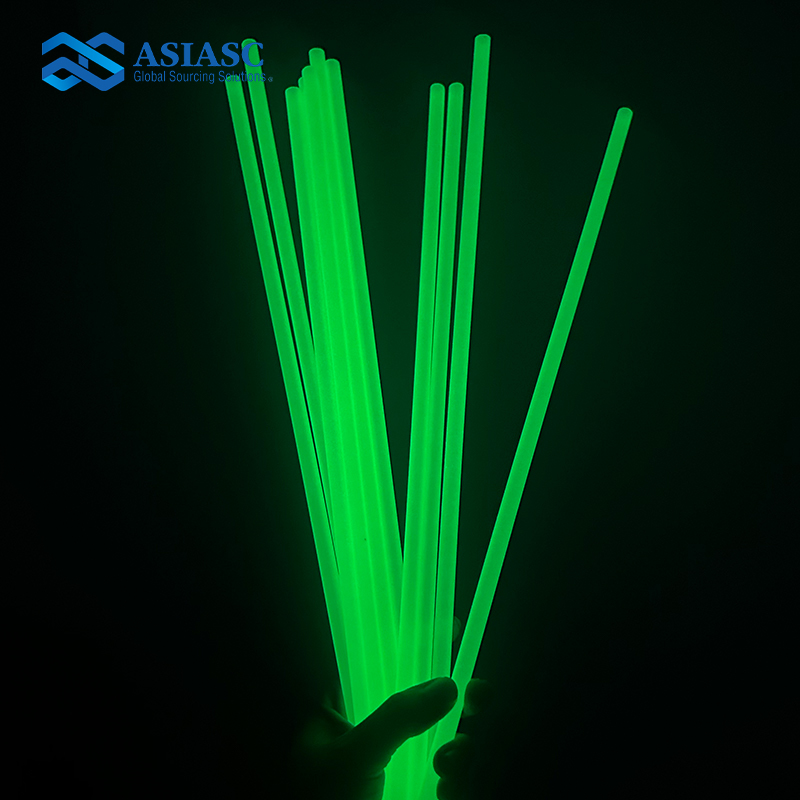 Glow-in-the-Dark Fort Building KitA glow-in-the-dark fort kit with 86 rods and 44 balls, suited to imaginative indoor or camping play and simple enough for children to master.View Product →
Our own approach with Magwizz fort kits is to keep the building logic simple enough for children to master, while giving them enough parts to make a space that feels genuinely their own. That balance is what keeps a fort set in use after the first novelty has worn off.
Flying Discs, Hand Trampolines, and Ball Games
Throw-and-catch toys bring a different kind of energy. They encourage children to track an object, judge distance, move their feet, and adjust their force. A hand-trampoline and flying-disc combination is especially useful because it can be played alone against a wall, in pairs, or in a small group. It also packs down more easily than a large goal or net.
For outdoor use, check the disc's weight and edges. A softer disc is generally more forgiving for younger players, while a firmer one may suit older children who want more speed. Grip matters too, particularly in warm weather or after a few games. This is one reason our versatile flying disc toys are designed around simple, repeatable play rather than complicated rules.
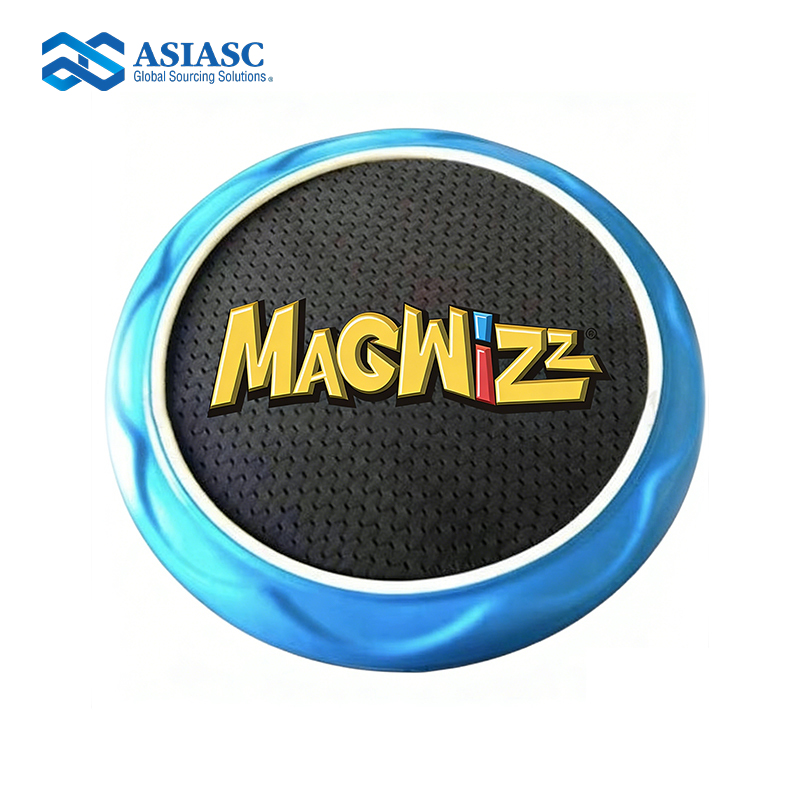 Soft Hand Trampoline and Flying Disc GameA 2-in-1 foam-ring paddle and flying disc set with stretch mesh and plush ball, making it a forgiving active-play option for outdoor or pool use.View Product →
Balls remain the most flexible active toy of all. A soft sensory ball, a TPR elastic ball, or a PU stress ball can support catching, squeezing, bouncing, and quiet fidget play. They are easy to store, easy to replace, and useful for children who prefer a lower-pressure entry into active play.
 Soft Filament Koosh Ball for Sensory and Paddle PlayA soft, flexible filament ball that works for squeezing, paddle games, keychain carry, or shuttlecock-style kicking, offering a low-pressure active-play option.View Product →
For a wider view of how these pieces fit together, explore our outdoor active play toy range.
Choosing by Age, Space, and Weather
Age labels are a starting point, not a guarantee. A four-year-old and a seven-year-old may both enjoy a fort kit, but they will use it differently. Younger children need larger parts, simpler connections, and closer supervision. Older children can handle more pieces, more complex rules, and more independent building.
Space is the next filter. Measure the play area before choosing a flying-disc game or a large building set. A toy that needs a clear runway will be disappointing in a narrow courtyard. Weather matters as well: outdoor toys should be easy to dry, clean, and store. If a set is awkward to pack away, it may be left outside and deteriorate faster.
It also helps to plan for mixed ages. A few soft balls, a compact fort kit, and a simple disc game can cover a wide range of abilities without turning the garden into an obstacle course. Rotating toys rather than leaving everything out at once can make each item feel fresh again.
A Note for Buyers and Activity Leaders
For retailers, schools, and activity providers, the questions are slightly different. Sell-through matters, but so does repeat use. A product that looks exciting on a shelf yet frustrates children at home will not earn recommendations. Look for clear age guidance, sensible packaging, and a demonstration that shows the toy in action. If a fort kit or disc game needs explanation, the packaging should do that job quickly.
Assortments also benefit from a clear role for each item: one cooperative builder, one fast-moving throwing game, and one easy sensory or ball item. That gives customers a reason to choose more than one product without feeling pushed. It also makes the range easier to merchandise by age, space, or play type.
Final Thoughts
The best active play toy is the one that fits real life: the garden that is not quite a park, the child who wants to build one day and throw the next, and the adult who wants less setup and more play. Start with a simple question: what movement do we want to encourage? Then choose a toy that makes that movement easy, safe, and fun to repeat.
At Magwizz, we keep coming back to that principle. Active play does not need to be complicated. It needs enough structure to get started, enough freedom to keep going, and enough durability to survive the enthusiasm.