 English
 русский
 Español
 عربى

Content
- 1 Outdoor Living Spaces Become an Extension of Modern Homes
- 2 Low-Maintenance Materials Gain More Attention
- 3 Composite Decking and Outdoor Flooring Expand Their Applications
- 4 Modern Wall Cladding, Fencing, and Railing Solutions
- 5 Sustainability and Product Performance Remain Important
- 6 Looking Ahead: Opportunities in the Outdoor Building Materials Market
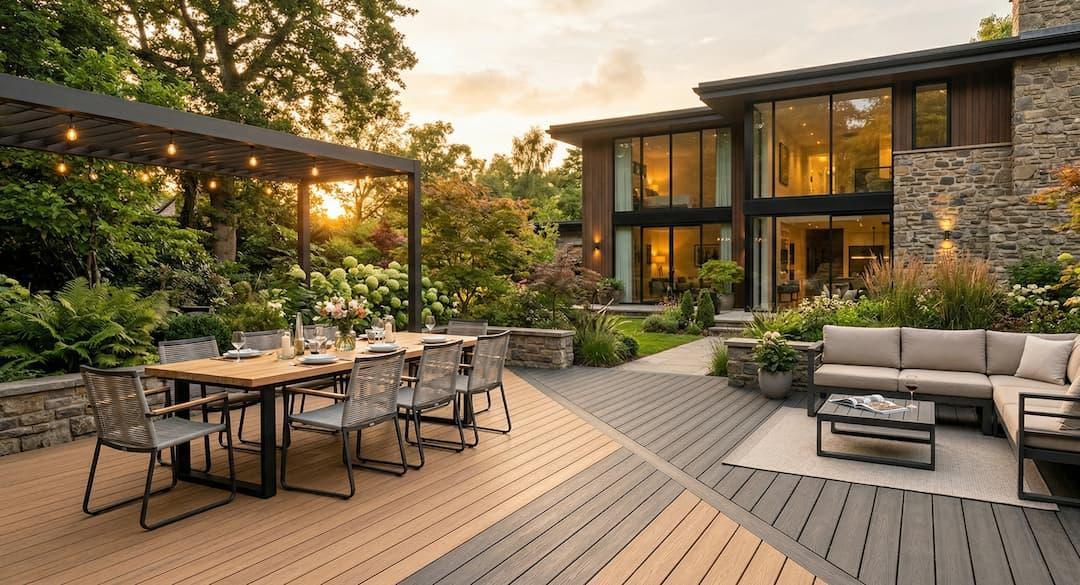
The global outdoor living market is evolving as homeowners, property developers, and construction professionals increasingly focus on creating comfortable, functional, and attractive outdoor spaces. This shift is bringing greater attention to durable, weather-resistant, and low-maintenance building materials, including composite decking, PVC flooring, outdoor wall cladding, and modern fencing systems.
Outdoor Living Spaces Become an Extension of Modern Homes
Outdoor spaces are no longer viewed simply as gardens or backyards. Across many residential and commercial projects, patios, terraces, balconies, poolside areas, and garden decks are becoming important extensions of indoor living spaces.
Homeowners are looking for outdoor environments that combine visual appeal with everyday functionality. Meanwhile, hotels, resorts, restaurants, and commercial property developers are investing in attractive outdoor areas to improve the overall visitor experience.
As a result, demand is growing for building materials that can withstand outdoor conditions while maintaining an appealing appearance over time.
Low-Maintenance Materials Gain More Attention
Traditional outdoor materials such as natural wood often require regular maintenance, including painting, sealing, staining, and protection against moisture and weather exposure.
For property owners who want to reduce long-term maintenance costs, alternative materials are becoming increasingly attractive.
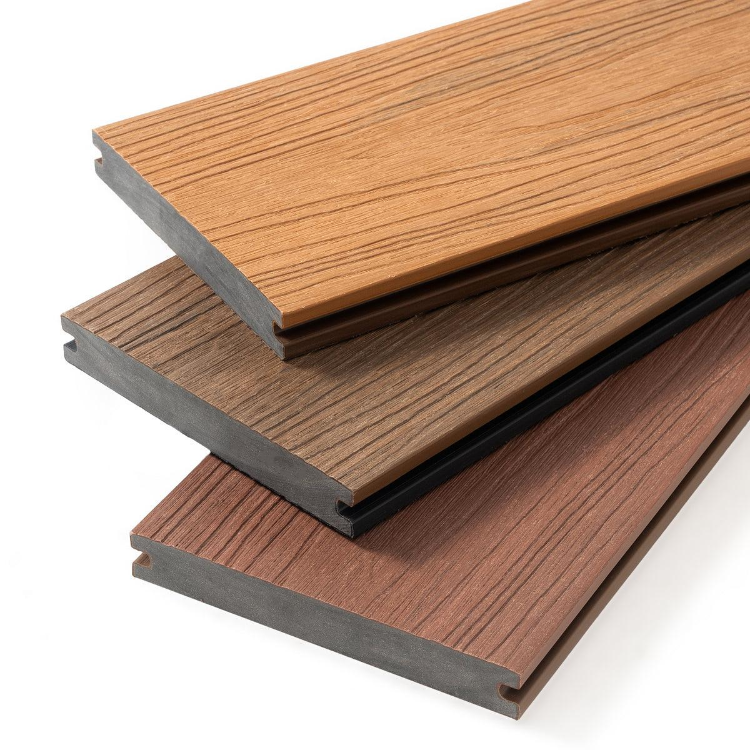
Wood Plastic Composite (WPC) and Polyvinyl Chloride (PVC) products offer practical options for various outdoor applications. Depending on their formulation and manufacturing quality, these materials can provide good resistance to moisture, weather exposure, and everyday wear.
Composite decking, PVC outdoor flooring, and synthetic fencing systems are therefore being considered in a growing range of residential and commercial applications.
Composite Decking and Outdoor Flooring Expand Their Applications
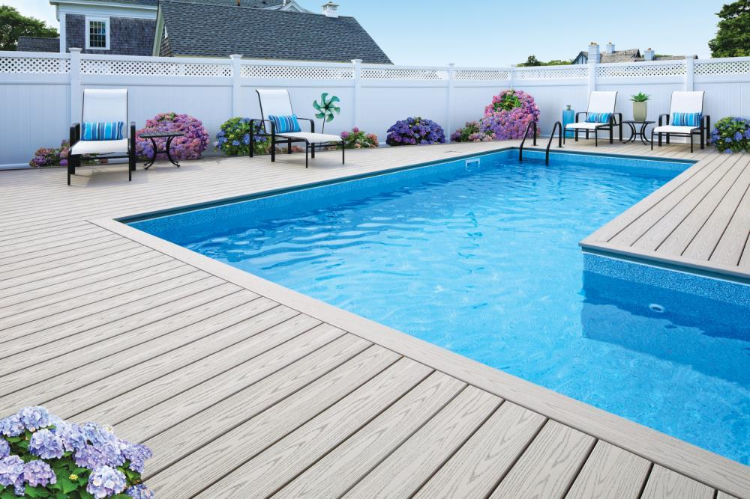
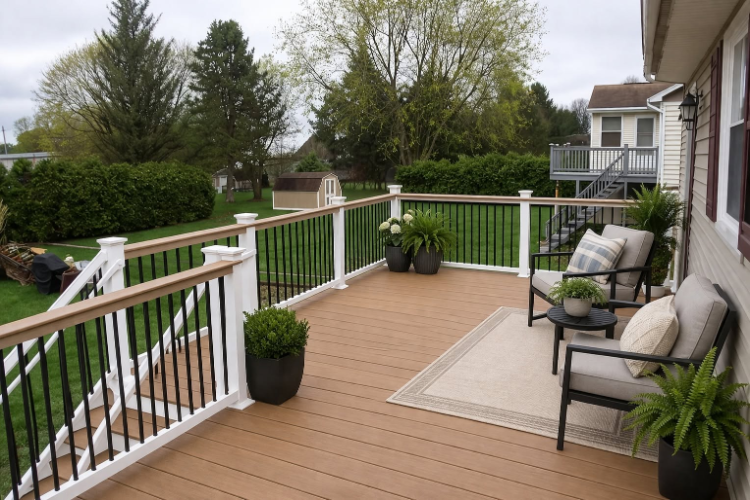
Among outdoor building products, composite decking has become an important choice for patios, garden walkways, balconies, swimming pool surroundings, and other exterior spaces.
Modern WPC decking combines wood fibers or other plant-based materials with polymers to create products with a natural wood-like appearance and practical outdoor performance.
Manufacturing developments, including co-extrusion technology, have also expanded product possibilities. Co-extruded decking boards can feature an additional protective outer layer designed to improve surface performance and help protect the board against environmental exposure.
In addition to decking, waterproof PVC outdoor flooring is another option for projects where moisture management and convenient cleaning are important considerations.
Modern Wall Cladding, Fencing, and Railing Solutions
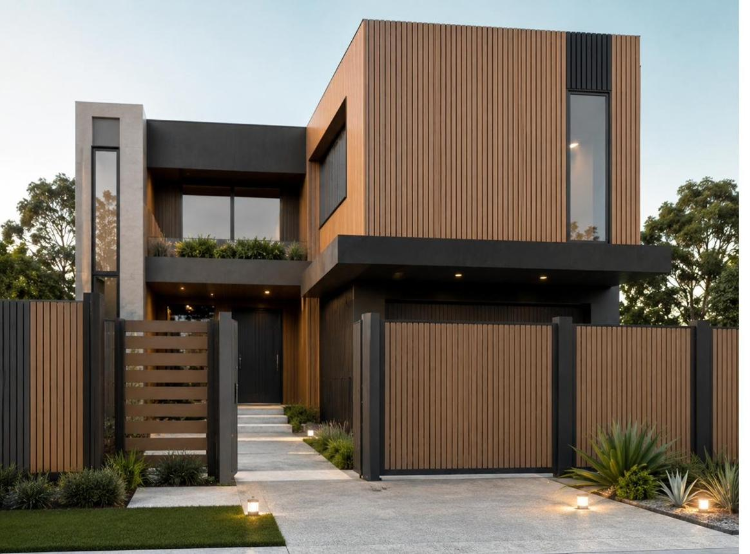
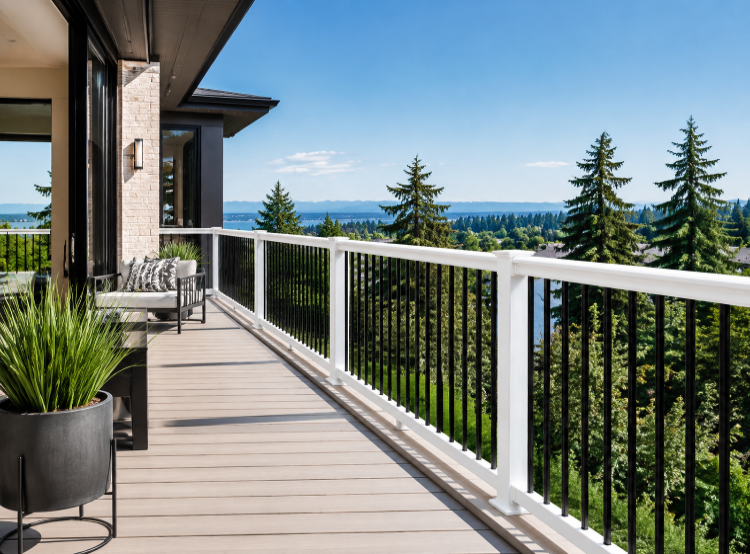
Outdoor design trends are also influencing demand for coordinated exterior building products.
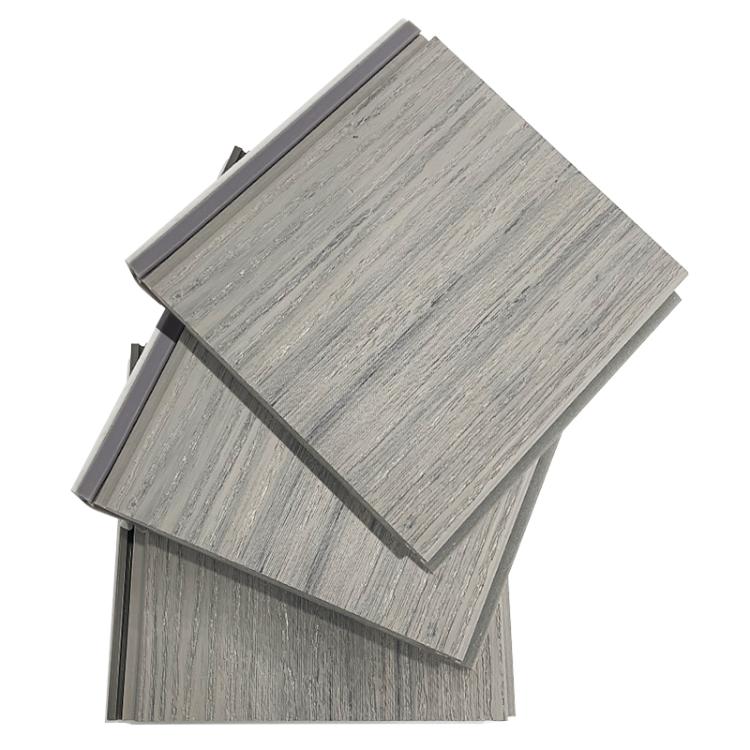
WPC and PVC wall cladding can help create a consistent appearance across exterior walls, garden structures, and outdoor living areas. Meanwhile, PVC and composite fencing systems offer alternatives to traditional timber fencing, with different colors, profiles, and design options.
Outdoor railings and balustrades are equally important, combining safety requirements with architectural design. Property owners and contractors increasingly look for products that complement decking, fencing, and exterior wall systems.
Using coordinated outdoor materials can help create a more unified appearance while meeting the practical requirements of different projects.
Sustainability and Product Performance Remain Important
As environmental awareness grows, buyers are paying closer attention to material composition, product lifespan, manufacturing processes, and maintenance requirements.
Recycled polymers and responsibly sourced wood fibers are used in some composite building products, although environmental performance varies depending on the manufacturer and production process.
For international buyers, product specifications, quality consistency, relevant testing, and compliance with local building requirements remain important factors when selecting outdoor building materials.
Looking Ahead: Opportunities in the Outdoor Building Materials Market
The development of outdoor living spaces is creating opportunities for manufacturers, distributors, importers, and construction companies worldwide.
Products that combine attractive design, reliable performance, and reduced maintenance requirements are likely to remain important considerations in future outdoor construction and renovation projects.
For buyers sourcing outdoor building materials, understanding material characteristics and comparing product specifications can help identify suitable solutions for different climates, applications, and project budgets.
As a supplier of outdoor building and decorative materials, Asia (Hangzhou) Sourcing & Communications (ASIASC) continues to focus on product development and international supply solutions for outdoor applications, including decking, fencing, wall cladding and railings.
The future of outdoor living is not only about creating beautiful spaces, but also about choosing materials that make those spaces easier to maintain and enjoy over time.