

As yellow mealworms gain increasing attention as a source of insect-based protein, growing interest is being placed not only on their nutritional value but also on how processing methods can influence the quality of the final dried product.
A recent study published in Molecules has provided new insights into how different drying methods affect the nutritional, physicochemical, and microbiological characteristics of blanched yellow mealworm larvae (Tenebrio molitor L.). The research compared convective drying at different temperatures with freeze-drying and evaluated a broad range of quality indicators, including protein and amino acid composition, oil properties, water activity, minerals, antioxidant activity, and microbiological quality.
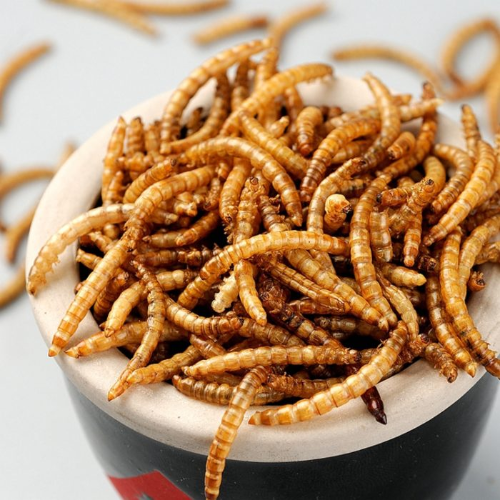
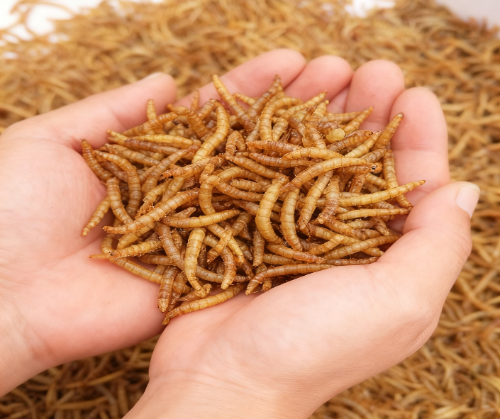
Drying Method Can Significantly Influence Nutritional Quality
One of the key findings of the study is that the choice of drying method can significantly influence the nutritional quality of dried yellow mealworms.
The study found that freeze-dried yellow mealworms had a lower protein content than those subjected to convective drying. The protein content of the freeze-dried samples was approximately 37.57% on a dry-matter basis, compared with approximately 41.14% and 42.14% for the samples dried by convective methods at 70°C and 90°C, respectively.
The researchers also observed differences in amino acid profiles. Among the drying methods evaluated, yellow mealworms subjected to convective drying at 90°C showed the highest content of essential amino acids among the tested samples. Leucine and lysine were among the major essential amino acids identified in the dried insects.
These findings suggest that freeze-drying should not automatically be considered the best approach for preserving the nutritional value of yellow mealworms. Under the conditions evaluated in this study, convective drying—particularly at 90°C—provided favorable results in terms of protein and amino acid composition.
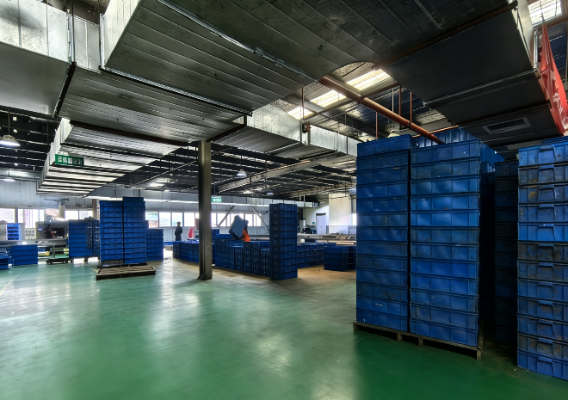
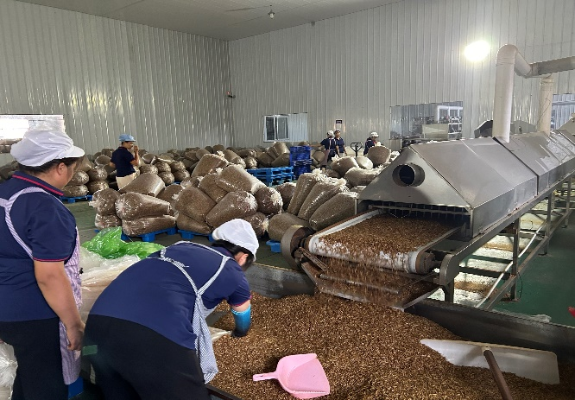
Supporting the Development of High-Quality Insect Protein
The study also highlights an important consideration for the development of dried insect ingredients: drying is not simply a process of removing moisture. The choice of drying method can influence the nutritional composition and other quality characteristics of the final product.
For dried yellow mealworm suppliers and manufacturers, understanding how processing conditions affect nutritional composition, product stability, and microbiological quality can help support more consistent product development and quality management. The study found that the tested dried yellow mealworm samples met the microbiological criteria applied in the research, further highlighting the importance of appropriate processing and quality control.
As the insect protein industry continues to develop, scientific research into processing technologies can provide valuable guidance for improving the quality and consistency of dried insect ingredients.
At NutrimindBio, we continue to follow the latest scientific research and industry developments in insect protein, with a focus on dried yellow mealworm and black soldier fly larvae products. By combining product quality management with continued attention to advances in insect processing and nutrition research, we aim to provide reliable dried insect ingredients and sustainable insect-based solutions for global B2B customers.